-
Hair Category
Question 1
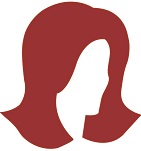
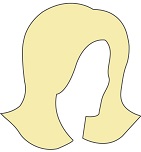
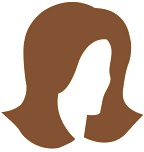
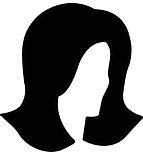
Everyone has one Homebase, either a SPRING, SUMMER, AUTUMN OR WINTER. If you had to choose one of the following Homebases, choose the one that is closest to the color of your natural hair color in your prime or teenage years — otherwise, not gray or artificially colored.
Important: Judge by roots of hair, not by sun-bleached ends -
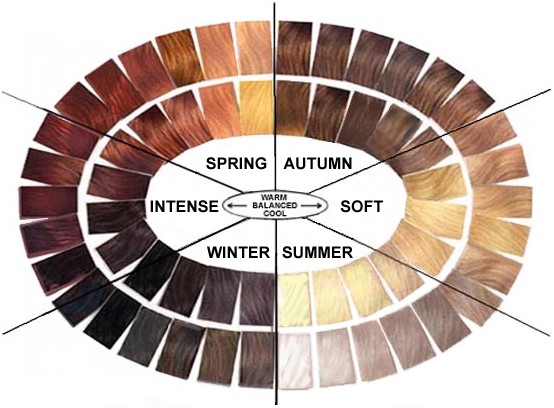
Hair Color in Harmonic Sequence
Question 2
Choose the colored hair section closest to your hair color.
-
Hair Color Names
Question 3
Check the box for each item that describes the color of your hair; if undecided mark both.
(Go by the hair color near the roots, not the sun-bleached ends)
-
Eye Color
Question 4
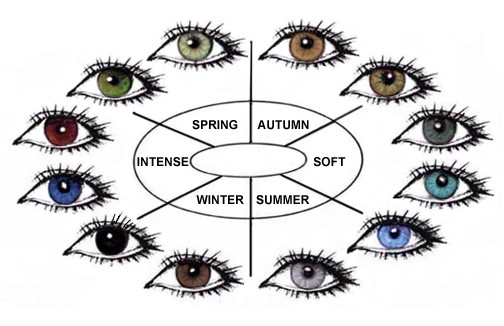
Choose the colored eye section closest to your eye color.
-
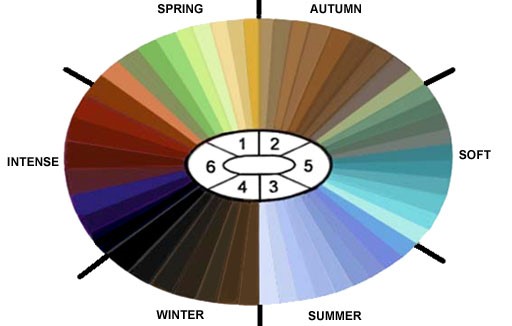
Eye Colors in Harmonic Sequence
Question 5
In this eye-color display, choose the section in which your eye colors are most represented.
-
Eye Color Names
Question 6
Fine-tune by checking every trait which describes your eyes.
-
Skin Characteristics
Question 7
Check every trait that describes your skin characteristics.
-
Hair Characteristics
Question 8
Check every trait for each characteristic of your hair.
-
Eyebrows and lashes
Question 9
Check each characteristic that applies to you.
-
Head and neck
Question 10
Read the description that best describes your head and neck.

Oval head is shaped more like an egg; oval on top. The oval neck is medium in length.

Round head is shaped more like a ball. The circle neck is shorter than the oval neck.

Square head is shaped more like a box; flatter planes. The square neck is shorter and wider than the triangle neck.
The rectangle neck is longer and not as wide.

Triangle head can be wide at top and narrow at jaw or vice-versa. The triangle neck is longer, or appears longer if jaw line is angled down to a V.
-
Shoulders
Question 11
Read the descriptions and choose the category which best describes your shoulders.
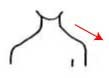
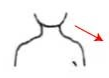
Shoulders are sloped down with smooth angle at base of neck and at shoulder points.
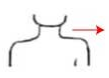
Shoulders have extra muscle at the base of neck and have rounder shoulder points.
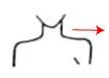
Shoulders more square and straight across; square angle at neck and shoulder points.
Shoulders straighter across and broad in proportion to small waist.
Type 2 has full broad straight shoulder area which angles down to minimum waist.
-
Chest
Question 12
Read the descriptions and choose the category which best describes your chest.
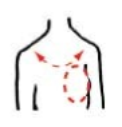
Breasts are oval shaped. Chest is concave; dip in bone gives the appearance of more cleavage. Collarbone area is moderately smooth.
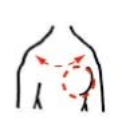
Breasts are circular shaped, fullness continues around under the arms. Chest area has more cleavage from round shape of breasts. Collarbone area is smoother because round flesh hides boniness.
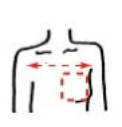
Breasts are not as full, lines are not as curved. Chest area is more flat across; less cleavage.
Rectangle collarbone is more prominent on the longer body shape than on the shorter Square body shape.
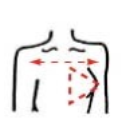
Breasts are pyramid shaped, more perky and lifted. Chest is convex, fullness across breast-plate; less cleavage. Collarbone is distinctive and prominent.
-
Rib cage
Question 13
Read the descriptions and choose the category which best describes your rib cage.
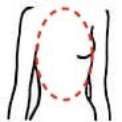
Ribcage more oval than straight down.
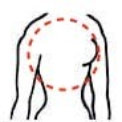
Ribcage round and somewhat thicker.
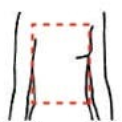
Ribcage more straight up and down. Square boxy type ribcage is thicker.
Rectangular body ribcage is longer and more narrow.
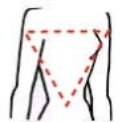
Ribcage is V-shaped; the downward angle is easily seen from the back view.
Type 2 angles down into inverted triangle body line (so waist is not small)
-
Waist
Question 14
Read the descriptions and choose the category which best describes your waist.
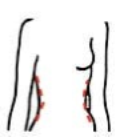
Waist more medium with a smooth flowing oval curve.
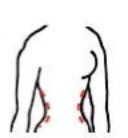
Waist "shorter waisted" because space between breast and waist is less; waist is definitely small, but becomes covered over with weight gain (like two balls being pressed together.)
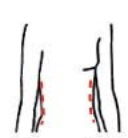
Waist has less indentation; the square boxy shape termed "short-waisted" is only because hipbone is right at waistline.
The longer rectangle body has hipbones right at waist also, but doesn't seem short-waisted because ribcage is longer.
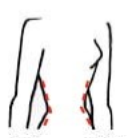
Waist small in proportion to the hips and shoulders.
Type 2 Triangle shape has fuller waist but more narrow thighs as body angles down to ankles.
-
Back
Question 15
Read the descriptions and choose the category which best describes your back.
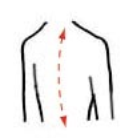
Back is slightly cylindrical from the side view.
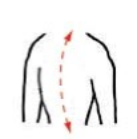
Back is fuller and more rounded.
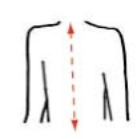
Back is flat and straight.
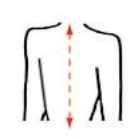
Back is straight; angles down to waistline.
Type 2 back is broader and thicker.
-
Hipbones
Question 16
Read the descriptions and choose the category which best describes your hipbones.
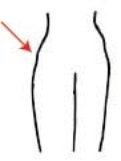
The key to the oval shape is low-set hipbones; the top of the hip is 2" lower than the waistline.
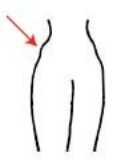
Circle shapes also have lower hipbones; the top of hip is 1½"- 2" lower than the waistline.
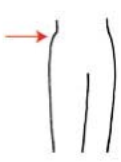
The square body shape has high-set hipbones right at the waistline.
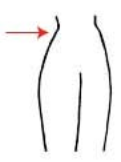
Hipbones set high right at the waistline; therefore there is no hip-bone protrusion near the waist.
Rectangle has slight protrusion but hipbone is still set high at waistline.
-
Thighs
Question 17
Read the descriptions and choose the category which best describes your thighs.
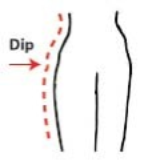
Oval shape has oval line with a definite dip at side halfway between the hipbone and the thigh; the lower-set hipbones protrude.
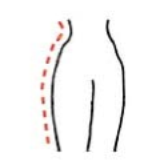
Circle shape is rounder with a slight dip under hipbone as well, but this type is rounder in this area.
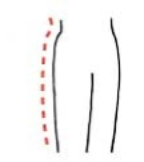
The square shape has less curve, more straight up and down lines with no dips; hipbone is right at waist so there is no lower hipbone to protrude and cause a curve.
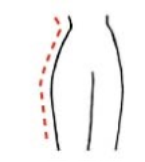
Type 1 triangle thighs slant out. Since hipbone is right at waist there is no protrusion over the hip, so the line slants down to a full lower thigh.
Type 2 triangle has a fuller waist with narrow thighs.
-
Derriere
Question 18
Read the descriptions and choose the category which best describes your derriere.
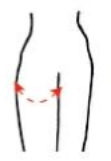
Derriere has overall oval shape.
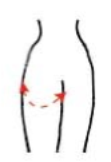
Derriere has round fuller shape; more Reubenesque.
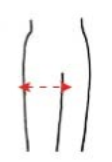
Derriere is flatter, more straight down.
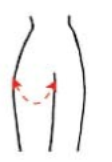
Type 1 has a fuller triangular shaped derriere.
Type 2 has broad fuller chest and back which angles down to narrow tapered hips with flatter derriere.
-
Arms
Question 19
Read the descriptions and choose the category which best describes your arms.
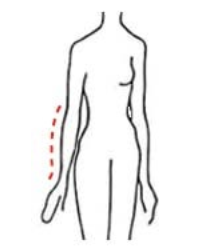
Arms have gradual smooth oval line.
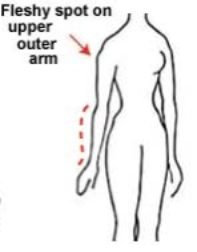
Arms are curved; have a full fleshy spot at upper outer arm; the wrists are smaller.
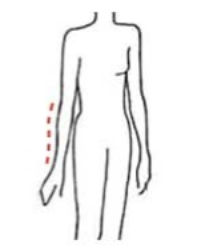
Arm lines are less curved and more straight. Square boxy type has fuller arms, but still not curvy.
Rectangle arms are longer with slight curve.
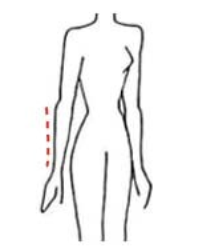
Arms have straight taper to elbow, and then again a straight taper down to wrist.
-
Legs and ankles
Question 20
Read the descriptions and choose the category which best describes your legs.
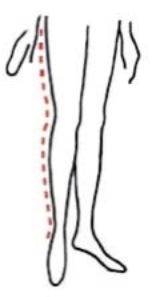
Legs have a gradual oval-shaped line to the ankle. Knees are medium in size. Ankles medium, but the graceful oval curve of leg makes the ankles appear smaller.
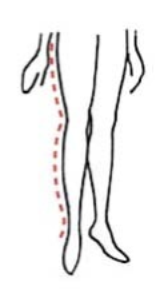
Rounder lines on legs are more curved; slight indent under knee with fuller calf curving down to ankle. Knees smaller and rounded with slight curve under kneecap. Ankles small.
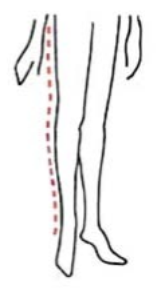
Square body type legs are more stocky. Knees medium. Ankles medium in size, less curve.
Rectangle legs are longer. Rectangle ankles are more slim than the stockier square type.
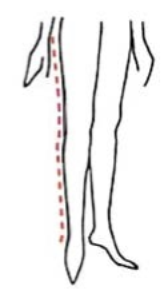
Legs have a straighter angled leg line which goes straight down to ankle with fullness through lower leg above ankle; no curve. Triangle legs and knees are fuller. Ankles larger; less curve indent.
-
Hands and feet
Question 21
Read the descriptions and choose the category which best describes your hands and feet.
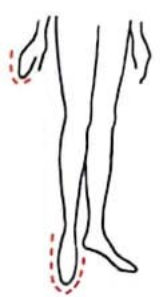
Fingers and toes more oval shaped and longer. Palm area more oval shaped; longer. Feet more oval with a longer vamp from toe to heel.
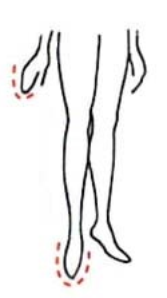
Fingers and toes are bit more fleshy and round. Palm area more round. Ball of foot is rounder because of shorter vamp from toe to heel.
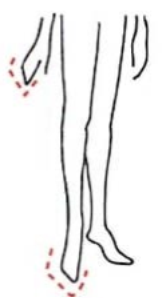
Fingers and toes more even across and square. Palm area more square than oval or round. Feet more square; shorter vamp from toe to heel.
Rectangle body differs from square; has longer fingers, palms, feet and vamp.
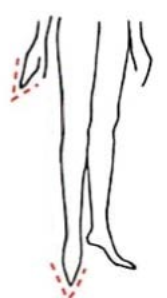
Ends of fingers and toes taper down to form angles; fingers are more pointed. Palm area more tent-like, not as flat. Feet has an angled high-instep and overall triangular shapes.
-
Thanks for participating!
Here are your results
Colors
Spring Summer Autumn Winter Soft balanced Intense balanced Body
Answer Body questions againOval Circle Square Rectangle Triangle Inverted triangle
Start Color questions over again
The benefit of this color and body analysis is that you will know exactly where you fit into the scheme of things as you study The Science of Dress. The fully illustrated work allows you to see and pinpoint what is relevant to you personally. The concepts are presented so that one learns by comparison and understands what, why and how to apply universal principles to his or her dress. The 5 books address various levels of information from short succinct versions to a complete in-depth study depending upon your interest and scope of intention for self-knowledge. See www.thescienceofpersonaldress.com.